
 See Our Latest Article on HelloNation

What Common Concerns Do Seniors in Goshen, NY Have About Mobility and Pain?
Many older adults experience challenges related to mobility, stiffness, and persistent aches, particularly in the back, neck, or joints. These issues often result from decades of wear-and-tear, past injuries, or conditions like arthritis. In the climate of Goshen, NY, where winters can be harsh and icy, maintaining balance and flexibility is also a frequent concern for seniors who want to remain independent and active.
Chiropractic care—focusing on the spine, joints, and nervous system—offers non-drug approaches to managing some common pain and movement problems associated with aging.
How Can Chiropractic Care Help Address Typical Age-Related Aches?
Seniors often ask if gentle chiropractic methods are safe and suitable for aging bodies. For most healthy older adults, careful adjustments, soft tissue work, and mobility exercises are tailored to the individual’s needs.
Chiropractic care does not reverse arthritis or severe degeneration, but many community residents find that consistent care can help with:
- Reducing everyday back or neck pain
- Improving comfort during routine activities like gardening or walking around the neighborhood
- Helping muscles and joints recover better after slips, icy conditions, or minor injuries
Approaches may include slow, precise adjustments, stretching, and advice on posture and movement patterns common in local homes—such as navigating stairs, shoveling snow, or carrying groceries.
Can Chiropractic Improve Balance and Reduce Falls for Seniors?
Improved balance and lower fall risk are important goals for many in the aging population, especially considering icy winters in Goshen. Chiropractic care can contribute by:
- Enhancing joint mobility, especially in the lower back and pelvis, which influences steadiness
- Recommending personalized balance exercises to practice at home
- Identifying and addressing movement restrictions that might affect safe walking
While chiropractic care is not a substitute for a comprehensive fall prevention program, it can be a valuable part of staying steady and confident on one’s feet.
Does Chiropractic Support Joint Health for Seniors Living With Arthritis?
Residents with osteoarthritis or similar joint conditions often wonder if chiropractic is appropriate. While adjustments are not used on severely inflamed or unstable joints, gentle mobilization and supportive therapies may help:
- Alleviate stiffness so daily routines feel easier
- Support joint function for bending, reaching, and household chores
- Prevent secondary aches from uneven movement patterns
Practitioners often work alongside other members of a person’s healthcare team, ensuring the approach fits the whole health picture—including any ongoing prescriptions, supplements, or physical therapy routines.
Is Chiropractic Care Safe for Osteoporosis or Fragile Bones?
Safety is a top concern for people with diagnosed osteoporosis or increased fracture risk. Modern chiropractic care involves careful assessment; most reputable practitioners avoid high-force spinal adjustments in these cases and instead use:
- Light mobilization techniques
- Gentle muscle work
- Exercises that promote strength without stressing bones
Chiropractic care for seniors with bone thinning focuses on comfort, gentle support, and overall movement, never on forceful manipulations that could risk injury.
How Might Chiropractic Complement an Active Lifestyle in Goshen?
Local seniors often enjoy walking in the parks, gardening, or seasonal outdoor chores. Chiropractic care can supplement an active routine by addressing small aches before they limit participation. Typical advice paired with care might include:
- Warm-up and stretching routines suitable for local weather changes
- Strategies for moving safely during winter, including walking tips for icy sidewalks
- Ergonomics guidance for common household or gardening activities
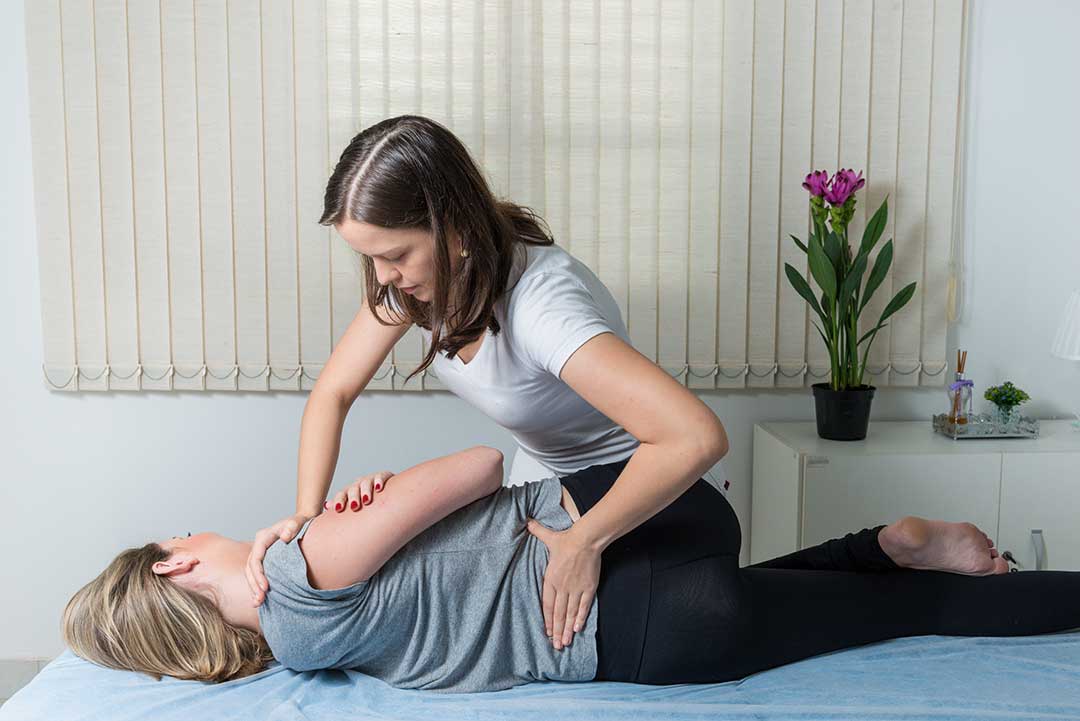
Staying active is widely recognized as one of the best paths to healthy aging, and chiropractic can be a supportive element for those who want to remain engaged in daily activities.
What Are Some Misconceptions About Chiropractic and Aging?
Some misunderstandings about chiropractic persist in the community, including:
- The notion that adjustments are always forceful—many techniques for seniors are especially gentle.
- The belief that only back pain benefits from care; in reality, chiropractic addresses overall functional movement, which can influence shoulders, hips, knees, and even headaches.
- Concerns that chiropractic might conflict with other health treatments—communication between providers helps ensure safety and comprehensive care.
Understanding the scope and limitations of chiropractic helps older adults make informed choices about their health.
Practical Considerations for Seniors in Goshen Exploring Chiropractic
Those considering adding chiropractic care to their routines often have practical questions:
- What should be communicated to a new practitioner? List all current diagnoses, medications, and recent bone density tests or imaging.
- How often should one go? Frequency depends on individual needs—some benefit from occasional tune-ups, while others prefer regular check-ins, especially if they notice more aches during seasonal shifts.
- Is chiropractic covered by insurance? Some plans include coverage for chiropractic visits; policies vary, so it’s wise to check your benefits.
Local residents should also keep in mind the value of communication between all healthcare providers. Sharing information about new aches, changes in movement, or recent falls helps practitioners tailor care safely and effectively.
When Should Seniors Consider Other Medical Support Beyond Chiropractic?
Chiropractic care addresses many musculoskeletal issues but is not appropriate for all situations. Immediate medical attention should be prioritized for:
- Sudden, severe pain following a fall or accident
- Signs of nerve damage (such as loss of bladder control or numbness in the legs)
- Unexplained weight loss, fever, or symptoms that are rapidly worsening
For chronic conditions—such as advanced arthritis or neurological disorders—chiropractic may play a complementary role alongside physician-led care, but not as a substitute.
By combining informed, individualized chiropractic care with regular check-ups, thoughtful self-care, and open communication, many seniors in the city maintain greater mobility, independence, and comfort as they age.
