
 See Our Latest Article on HelloNation
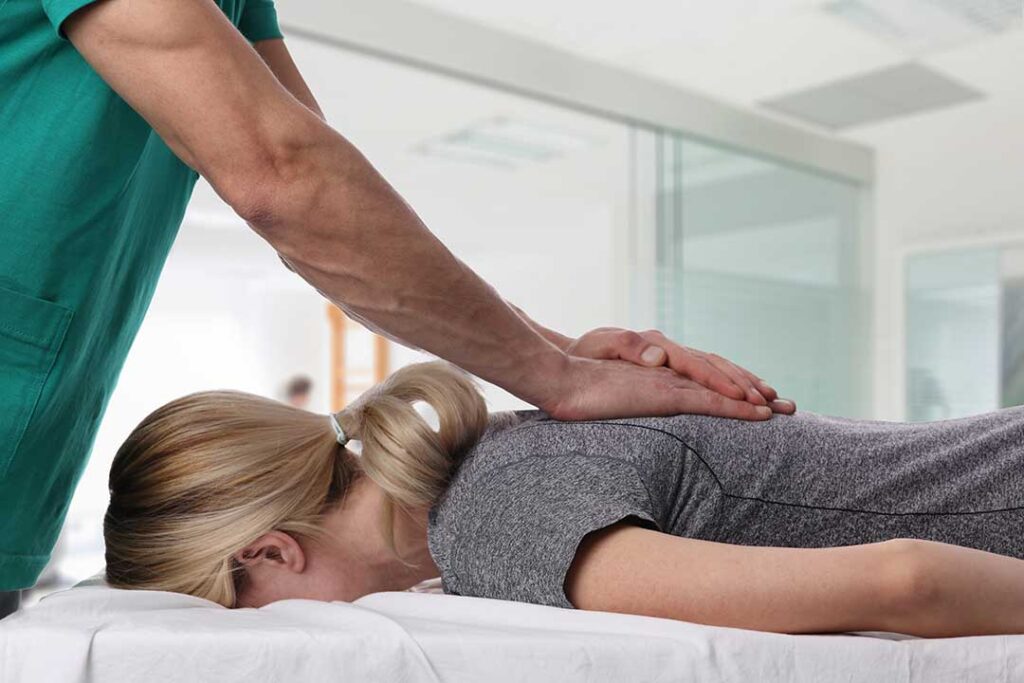
Foot pain and spinal alignment can be connected because the feet provide the body’s foundation for standing and walking. Changes in foot motion may affect the ankles, knees, hips, pelvis, and lower back. However, foot pain does not automatically mean the spine is misaligned, and spinal alignment is only one possible factor among many.
For residents of Goshen, NY, this relationship may become more noticeable during long walks, household projects, outdoor activities, or periods of slippery winter conditions that change how a person steps and balances.
How can foot problems affect the spine?
The feet help absorb impact and control how the body moves forward. Each step involves coordinated motion through the foot, ankle, leg, pelvis, and spine. If one part moves differently because of pain, weakness, stiffness, or an injury, other areas may compensate.
For example, a painful heel may cause a person to shorten the stride or place more weight on the opposite side. Over time, that altered walking pattern can increase muscle tension around the hips and lower back.
Common movement changes include:
- Rolling inward through the arch, often called overpronation
- Rolling outward and placing excessive pressure along the outside of the foot
- Limited ankle flexibility
- Uneven weight-bearing between the right and left sides
- Walking with the foot turned outward to avoid pain
- Reduced push-off from the toes
These patterns do not necessarily create a spinal problem, but they can change how force travels through the body.
What does “spinal alignment” really mean?
Spinal alignment refers to the relationship among the vertebrae, pelvis, hips, and surrounding muscles during movement and rest. It does not mean that the spine must appear perfectly straight or symmetrical.
Most people have natural differences in posture. A slightly uneven shoulder height, pelvic tilt, or spinal curve is not automatically abnormal. Alignment also changes throughout the day depending on fatigue, activity, footwear, stress, and previous injuries.
A more useful question is whether a movement pattern is causing pain, limiting function, or placing repeated stress on a particular area. A person may have visible foot changes without discomfort, while another person may develop symptoms from a relatively small change in walking mechanics.
Can flat feet cause back pain?
Flat feet may contribute to back discomfort in some people, particularly when the feet collapse inward during weight-bearing and the knees and hips rotate along with them. This can influence the position of the pelvis and the muscles supporting the lower back.
Still, flat feet are common and are not automatically a medical problem. Many people with low arches walk, exercise, and work without pain. The connection is more likely to matter when flat-footed posture is accompanied by symptoms such as:
- Persistent arch or heel pain
- Fatigue in the legs during ordinary walking
- Recurrent ankle or knee discomfort
- One-sided hip or lower-back tightness
- Noticeable changes in walking pattern
Foot posture is only one possible contributor to low-back pain. Strength, joint mobility, body weight, work demands, sleep, previous injuries, and nerve irritation may also be involved.
How can foot pain change posture?
Pain often changes movement before a person consciously notices it. Someone with heel pain may avoid placing the heel down fully. Someone with pain in the ball of the foot may shift weight toward the heel or outside edge. A sore big toe can reduce normal push-off and cause the leg to swing differently.
These small adjustments may be harmless for a short time. If they continue for weeks, the muscles of the calf, thigh, hip, and lower back may work harder than usual. This can create stiffness or aching that seems unrelated to the original foot problem.
The reverse can also happen. A problem in the hip, pelvis, or lower back may alter leg control and place more stress on the foot. In that situation, treating only the foot may not address the main source of the symptoms.
Could winter conditions increase the strain?
Seasonal conditions can influence foot and spinal mechanics. During icy or uneven walking conditions, people commonly shorten their steps, stiffen the legs, lean forward, or walk with the feet turned outward for stability. Those protective changes may increase tension through the calves, hips, and lower back.
Cold temperatures may also make muscles and joints feel stiffer at the beginning of activity. Wet footwear, thick socks, or boots that fit differently from everyday shoes can alter foot motion. These factors do not prove that winter conditions cause spinal misalignment, but they can make existing movement problems more noticeable.
Walking carefully, using stable footwear, and allowing time for the body to warm up may reduce unnecessary strain.
What can residents observe at home?
A simple observation can help identify whether foot mechanics may be involved. Stand comfortably and notice whether weight is distributed evenly between both feet. Then observe the soles of regularly worn shoes.
Uneven wear may suggest a repeated loading pattern, although it cannot diagnose the cause. It may also help to notice whether:
- One shoe wears down faster than the other
- One foot turns outward during walking
- The arches appear to collapse when standing
- The knees move inward during a shallow squat
- Pain increases after standing or walking
- Symptoms improve when sitting or resting
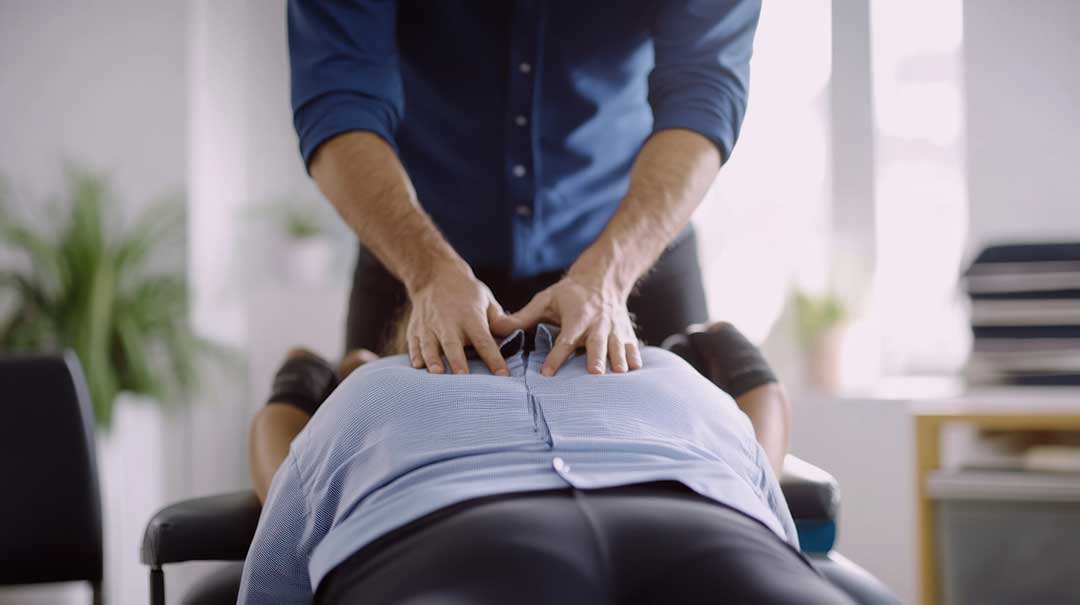
A short symptom record can be useful. Note where the pain begins, what activity brings it on, whether it is one-sided, and whether the discomfort travels into the leg or foot.
Do orthotics or special shoes fix spinal alignment?
Foot orthotics, supportive footwear, and exercises may help some people, especially when symptoms are related to a specific foot or ankle movement problem. They do not automatically correct spinal alignment, and more support is not always better.
A device that changes pressure under the foot can also change how the ankle, knee, hip, and pelvis move. If the change is too strong or poorly matched to the person’s needs, discomfort may increase.
Footwear should generally feel stable, comfortable, and appropriate for the activity. Sudden changes to highly structured shoes, inserts, or exercise routines can irritate the feet and legs. A gradual approach is usually more reasonable than assuming a single product will solve a complex pain pattern.
When should foot pain or back pain be evaluated?
Mild soreness after an unusual activity often improves with relative rest, gentle movement, and avoiding the aggravating task temporarily. Persistent, recurring, or progressively worsening symptoms deserve closer attention.
Prompt medical evaluation is appropriate for foot or back pain accompanied by:
- Inability to bear weight
- Significant swelling, redness, warmth, or fever
- A recent fall, collision, or suspected fracture
- New numbness or weakness
- Pain traveling down the leg with worsening neurologic symptoms
- Loss of bladder or bowel control
- Numbness around the inner thighs or groin
- Unexplained weight loss or severe night pain
These signs may indicate a problem that is not simply related to posture or foot mechanics.
A careful assessment considers the feet, ankles, knees, hips, pelvis, spine, walking pattern, muscle strength, and nerve function together. That broader view helps distinguish a local foot condition from a movement pattern involving several areas of the body.
Understanding the foot-spine connection can make recurring discomfort easier to interpret. The goal is not to force the body into perfect symmetry, but to identify painful movement habits, restore comfortable function, and avoid assuming that every foot problem or backache has a single cause.
