
 See Our Latest Article on HelloNation
Why Should Students and Children in Goshen, NY Pay Attention to Ergonomics?
Good ergonomics helps young bodies develop healthily and reduces aches caused by poor posture. For students and children in Goshen, awareness of setup and daily habits is essential, especially as many spend hours on schoolwork at home throughout the year. With seasonal changes and more time indoors during colder months, maintaining healthy work and play spaces supports growth and comfort.
How Should a Study Space Be Set Up for Comfort and Health?
An effective study space encourages natural posture, letting kids focus on learning instead of shifting to get comfortable. A child’s feet should rest flat on the floor (or on a footrest), with knees and hips at about a 90-degree angle. The chair and desk should be the correct height: elbows should rest comfortably near the tabletop when seated upright.
If using a device, the screen should be at or just below eye level—propping up laptops or tablets with books can help. Glare from windows is common in the region’s sunny months, so arrange desks to reduce eye strain.
Practical Home Adjustments
- Use cushions, rolled towels, or blankets to support backs for younger or smaller children in larger chairs.
- Place a sturdy box or hardcover books under feet if a chair is too high.
- Monitor workspace temperature, as area homes may be drafty or overheat with radiators. Layers and good ventilation keep students comfortable during study sessions.
Are Backpacks a Problem for Local Students?
Backpacks often lead to shoulder or back complaints, particularly if overloaded or worn incorrectly. Children in Goshen, who walk to school or ride buses carrying books, should use both straps and adjust the pack so it rests snugly against the back. The bottom of the backpack should not hang more than a few inches below the waist.
Carrying only what’s needed each day helps avoid strain. Local families often can coordinate with schools to keep extra materials in lockers or cubbies, reducing unnecessary weight.
How Much Sitting Is Too Much for Kids?
Children and teens are healthiest when they alternate sitting with moving around. Research and experience both suggest students should stand up and stretch at least once every 30-45 minutes. In home or virtual learning environments, use natural breaks to walk, stretch, or play for a few minutes. This prevents fatigue and builds healthy lifelong habits, especially necessary during the winter months when outdoor time may be limited.
What Extra Ergonomic Concerns Come Up with Tablets and Laptops?
Many students in the community use devices for schoolwork. Handheld screens encourage slouching and can tire young eyes and wrists:
- Keep tablets on a stand or stack of books to reduce neck bending.
- Encourage use of external keyboards and mice when possible, which lessens awkward hand and wrist angles.
- Remind children to stop periodically, blink, and look away into the distance—natural pauses help manage digital eyestrain.
Local libraries often lend out stands or device accessories, and creative household solutions (like cookbook holders) work well, too.
What Are Common Posture Problems—And How Can They Be Spotted at Home?
Parents and caretakers often notice students slumping forward, sitting cross-legged, or twisting to see a screen. These are normal positions occasionally, but if a child spends much of their homework time twisted, hunched, or sitting on their feet, they may be compensating for a poor setup or discomfort.
Signs of persistent poor posture may include:
- Complaints of a stiff neck or back after school or homework
- Increased headaches, which often result from screen glare or craned necks
- Fidgeting, wiggling, or avoiding homework at the desk
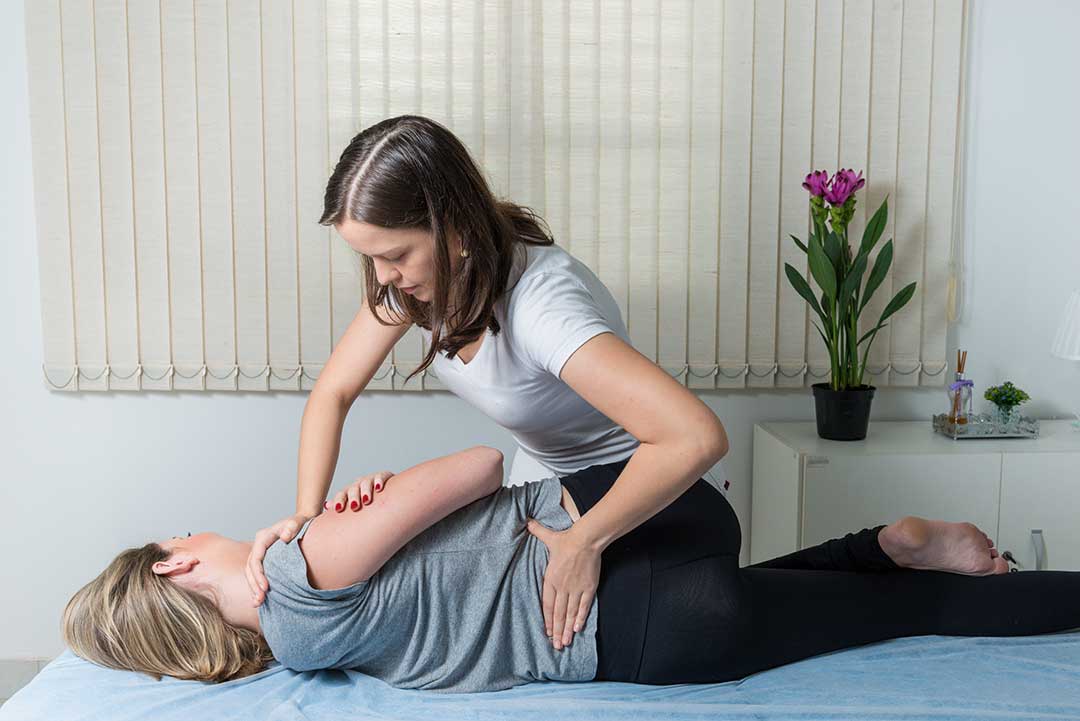
Adjusting seating, encouraging frequent movement, and checking that workspaces “feel good” can solve many of these problems early, before habits set in.
How Do Local Homes’ Layouts Affect Ergonomics for Kids?
Many homes in Goshen have multi-use spaces or turn kitchen tables into homework centers. Temporary study setups are common, but it’s worth routinely checking that seats and surfaces fit the child’s size. Consider having a portable cushion, footrest, or lamp that can move to wherever homework is done.
For those with scenic outdoor areas or porches, using a picnic table or porch bench boosts fresh air and movement—great during milder seasons. In shared rooms or small spaces, even small changes like clearing clutter or repositioning lamps can create a more inviting workspace.
What Seasonal Factors Should Local Families Consider?
Cold and snowy weather can mean more time indoors and heavier layers when doing homework at dining tables, couches, or makeshift desks. Bulky winter clothing may make standard chairs uncomfortable or position screens at odd angles. Adjust workspace and clothing as needed so students aren’t hunched or restricted.
During the warmer months, open windows for fresh air and natural light, but be mindful of screen glare and shifting shadows on desks.
What Are Simple Habits That Support Good Ergonomics?
- Remind kids to change positions often and move between tasks.
- Check workspaces regularly for clutter, obstructed light, or crowding.
- Help children recognize when their bodies feel tense, tired, or uncomfortable, and make small changes.
- Encourage carrying lighter bags and wearing both backpack straps.
Students are resilient, and most small ergonomic changes quickly become routine with some gentle reminders.
