
 See Our Latest Article on HelloNation
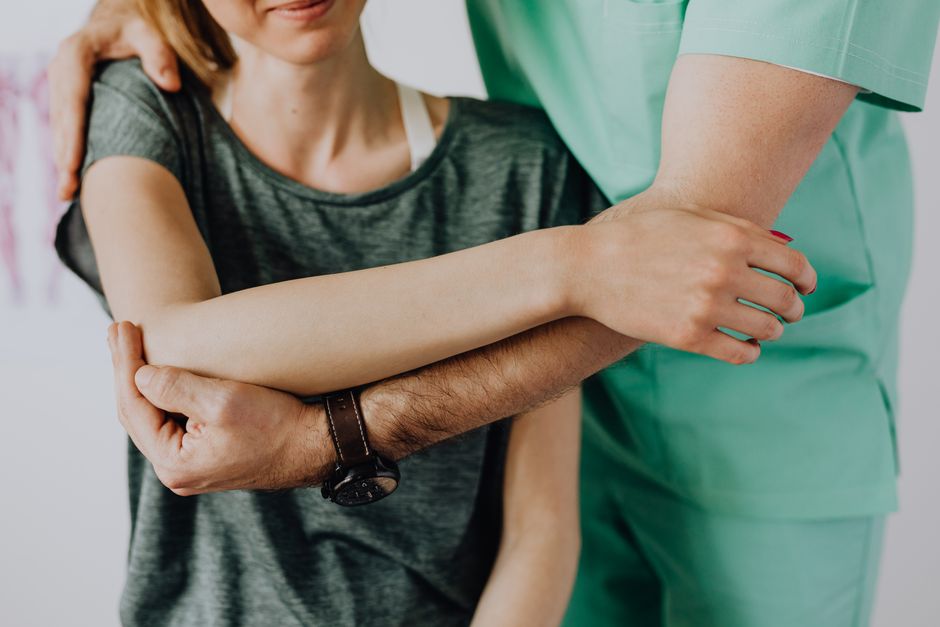
What is the Graston Technique?
The Graston Technique is a form of instrument-assisted soft-tissue mobilization, often shortened to IASTM. It uses smooth, handheld tools to assess and treat muscles, tendons, ligaments, fascia, and other soft tissues.
During treatment, a trained provider glides the instrument over the skin with controlled pressure. The tool does not cut the skin or function like a surgical instrument. Its shape allows the provider to detect areas that feel unusually tight, restricted, or sensitive and to apply more focused pressure than hands alone may provide.
The technique is commonly used as one part of a broader chiropractic or rehabilitation plan. It is not a replacement for movement training, strengthening, rest, medical evaluation, or treatment of an underlying injury.
Why might a chiropractor use it?
Graston treatment may be considered when soft-tissue restriction appears to contribute to pain, reduced flexibility, or limited movement. Examples can include:
- Muscle tightness after repetitive work or exercise
- Tendon irritation, such as in the elbow, wrist, knee, or ankle
- Scar-tissue sensitivity after an injury or surgery
- Limited range of motion
- Persistent muscle soreness
- Soft-tissue discomfort associated with back or neck problems
In a community such as Goshen, seasonal activities may influence the type of strain people experience. Snow removal, home maintenance, gardening, recreational sports, and long periods of driving can all place repeated stress on the shoulders, back, hips, arms, or legs.
The technique is generally directed at soft tissues rather than the spine itself. A treatment session may be combined with joint mobilization, exercise instruction, ergonomic changes, or other conservative care.
Does Graston Technique break up scar tissue?
The phrase “breaking up scar tissue” is widely used, but it can create an inaccurate impression. Soft-tissue tools do not mechanically scrape scar tissue out of the body.
A more precise explanation is that treatment may apply pressure and movement to an area of restricted or sensitive tissue. This can temporarily change how the tissue feels, how a person moves, or how the nervous system responds to pressure. Some people report improved flexibility or reduced discomfort afterward.
Scar tissue is a normal part of healing, and not all scar tissue needs to be removed or altered. The goal should be improved function and comfort, not eliminating every area that feels different.
What happens during a session?
A typical session begins with questions about symptoms, activity, injury history, medications, and previous treatment. The area may be examined through movement testing, gentle palpation, or range-of-motion checks.
If instrument-assisted treatment appears appropriate, the skin is usually covered with a small amount of lotion or an approved lubricant. The provider then moves the tool over the selected area using short or longer strokes, depending on the tissue and the treatment goal.
Pressure should be controlled and adjusted to the person’s tolerance. Mild discomfort, tenderness, warmth, or a pulling sensation can occur. Sharp, burning, severe, or escalating pain should not be treated as a normal requirement of the technique.
Afterward, the area may feel looser, tired, tender, or mildly bruised. Some people notice temporary redness or small pinpoint spots caused by superficial capillary irritation. These effects should be discussed before treatment, particularly for anyone who bruises easily.
Is the technique painful?
It can be uncomfortable, but intense pain is not necessary for the treatment to be useful. A common misconception is that more pressure or more bruising means better results. There is no reliable reason to assume that severe soreness indicates successful treatment.
A reasonable session should include communication about pressure and symptoms. People should mention numbness, tingling, unusual weakness, increasing pain, or skin irritation as soon as those symptoms occur.
Post-treatment soreness often improves within a short period. Persistent pain, significant swelling, spreading redness, blistering, or other unexpected symptoms deserve medical attention rather than repeated treatment over the same area.
What does the evidence show?
Research on instrument-assisted soft-tissue mobilization has produced mixed results. Some studies report short-term improvements in flexibility, pain sensitivity, or movement. Other reviews have found that the studies are small, use different treatment methods, or provide low-certainty evidence.
This means the technique may help some people, but it should not be presented as a guaranteed way to heal tendons, remove adhesions, correct posture, or permanently resolve chronic pain. Benefits may come from several factors at once, including hands-on contact, movement during treatment, temporary changes in sensitivity, and the exercise or activity plan used afterward.
For many musculoskeletal problems, progressive exercise, appropriate activity, sleep, load management, and education remain important parts of care. Instrument-assisted treatment is best viewed as a possible support for those measures, not as a standalone cure.
Who should be cautious?
A health history should be reviewed before treatment. Extra caution may be appropriate for people with:
- Blood-clotting disorders or a history of unusual bleeding
- Use of blood-thinning medication
- Fragile skin, open wounds, burns, or active skin infection
- Significant swelling or unexplained bruising
- Reduced sensation or numbness in the treatment area
- Recent surgery or a fracture that has not fully healed
- Severe osteoporosis or another condition that weakens tissue
- A suspected blood clot or unexplained calf pain
Treatment over a swollen, hot, red, or acutely injured area may be inappropriate until the cause is understood. A person with fever, unexplained weight loss, progressive weakness, loss of bladder or bowel control, or serious trauma needs medical evaluation rather than soft-tissue scraping.
Pregnancy does not automatically rule out hands-on care, but treatment location, pressure, positioning, and the individual’s medical history should be considered carefully.
How does it differ from massage?
Massage generally uses the hands to compress, stretch, or glide over soft tissue. Graston Technique uses an instrument to supplement the provider’s hands and to concentrate pressure over a smaller contact area.
Neither approach is automatically superior. The useful choice depends on the condition, the person’s response, the provider’s training, and the overall treatment plan. A tool may help with specific areas, while hands-on work or active exercise may be more comfortable and practical for others.
Questions Goshen residents may want to ask
Before receiving this type of treatment, useful questions include:
- What specific problem is the technique intended to address?
- What evidence supports using it for that problem?
- What other treatments should accompany it?
- How much soreness or bruising is expected?
- What symptoms would mean treatment should stop?
- What home exercises or activity changes are recommended?
- How will progress be measured?
- What alternatives are available if it does not help?
Clear answers should connect the technique to a specific functional goal, such as reaching overhead, walking comfortably, returning to yard work, or tolerating a work task. If there is no measurable goal or the treatment is described as a cure for unrelated health problems, a more cautious approach is appropriate.
